
Plant Trees
Trees (and all plants) are amazing — they breathe in carbon dioxide, which reduces climate pollution; and they breathe out oxygen, creating air we can breathe in! Trees also create shade to cool your home and neighborhood, make our air cleaner and create food and habitat for many animals. And they are beautiful! Planting a tree and watching it grow can be a rewarding and fun activity for the whole family. Don’t have a yard or own your home? No problem! You can often help plant trees in your community through local community organizations.
Your Impact
Action Steps & Tips
Introduction
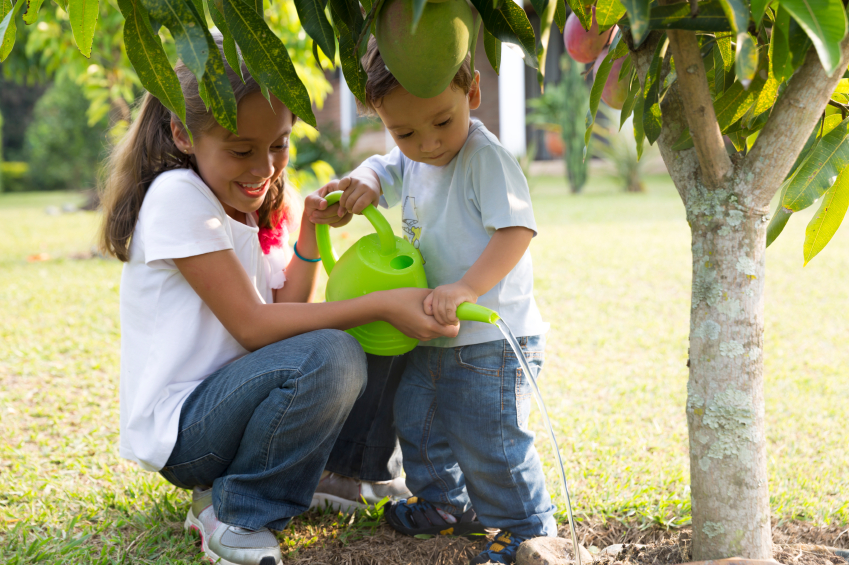
Trees (and all plants) are amazing — they breathe in carbon dioxide, which reduces climate pollution; and they breathe out oxygen, creating air we can breathe in!
Trees have so many benefits. Trees can
-
Shade your home and lower your energy bill
-
Remove air pollution and help create cleaner air
-
Reduce climate pollution
-
Provide important food and habitat for many animals
-
Bring life and beauty to any place
It's so important to keep our trees and forests healthy and thriving — and plant more trees! Planting a tree and watching it grow can be a rewarding and fun activity for the whole family.
Don’t have a yard or own your home? No problem! You can often help plant trees through local community organizations.
If you are considering planting a tree, check with a local arborist, landscaper or conservation group for help with choosing and planting your new tree. Below are a few tips.
1Step 1. Choose the right location
Finding a good location for your tree is important for both the health of the tree and its surroundings. First, choose a place where it will have plenty of room to grow. You can also choose a location that can create shade for your home and reduce your energy bills. The best location for shade is to the south of large windows.
Avoid hazards. Contact your local utility or city (at least 48 hours before your plan to dig) to identify any underground cables or wires to avoid. Also check for overhead utility lines and sewer lines that could be damaged by root systems.
Finally, choose a site that has water easily available and enough sunlight to help your tree grow!
2Step 2. Choose the right type of tree

Choosing the right tree will make all the difference in its health and your time spent in watering and upkeep. Here are a few tips, check with your local gardening shop or arborist for more ideas.
Choose the right size tree. Larger, faster-growing trees remove more climate pollution, but they can also require more space and maintenance. Check to make sure the tree you pick will fit in the space you choose for planting and that you will be able to keep up with any maintenance required.
Match your climate and soil type. All trees have specific water and sunlight needs. Trees that are native to your area or from a similar climate will require much less extra watering and maintenance and will be more likely to thrive. Also check your soil type to see what trees it will best support or what you can add to help your new tree succeed.
Create strategic shade. If you are looking to create shade with your tree, it is important to choose the right type of tree. If you have warm summers and cold winters, deciduous trees are a great choice since they provide shade in the summer and then shed their leaves in the winter, allowing sunlight in. In warmer climates where year-round shade is best, evergreen trees are the best choice.
Check for possible hazards. Some trees have large and strong root systems which can create problems for the foundation of your home or other areas like sewers, walkways, streets and driveways. These trees are better away from buildings and dense neighborhoods. Many trees also shed sap, seeds, and fruit that can create hazards or require significant cleanup.
Pick a tree you will enjoy and consider supporting local wildlife. Consider the color of foliage and flowers or choose a tree that produces fruit or nuts. Some trees can also support wildlife by providing shelter and food for many animals including birds, bees, butterflies, and squirrels.
3Step 3. Plant your tree and enjoy!
Here are a few tips for planting and caring for your new tree.
Follow planting and watering recommendations. It is critical to the long-term health of your tree to follow planting recommendations for the tree you choose. Provide enough water and fertilizer, particularly in the first year after planting. Consult with a local arborist or nursery for planting tips on your specific tree.
Consider community tree planting. If you don’t have a yard, consider volunteering for a community tree planting! Many cities have programs to plant community trees.
Homeowners can also often request a street tree at no cost, and community volunteers will help with planting. Often you will be responsible for taking care of the new tree, however, maintaining a street tree often requires little more than supplemental watering for a limited time as it establishes a root system.
Breathe deeply and enjoy! Take a deep breath and enjoy your beautiful new tree!